
 info@seattledesignandprint.com
 206-535-7955
Why Flyers, Brochures, and Business Cards Still Work for Marketing?

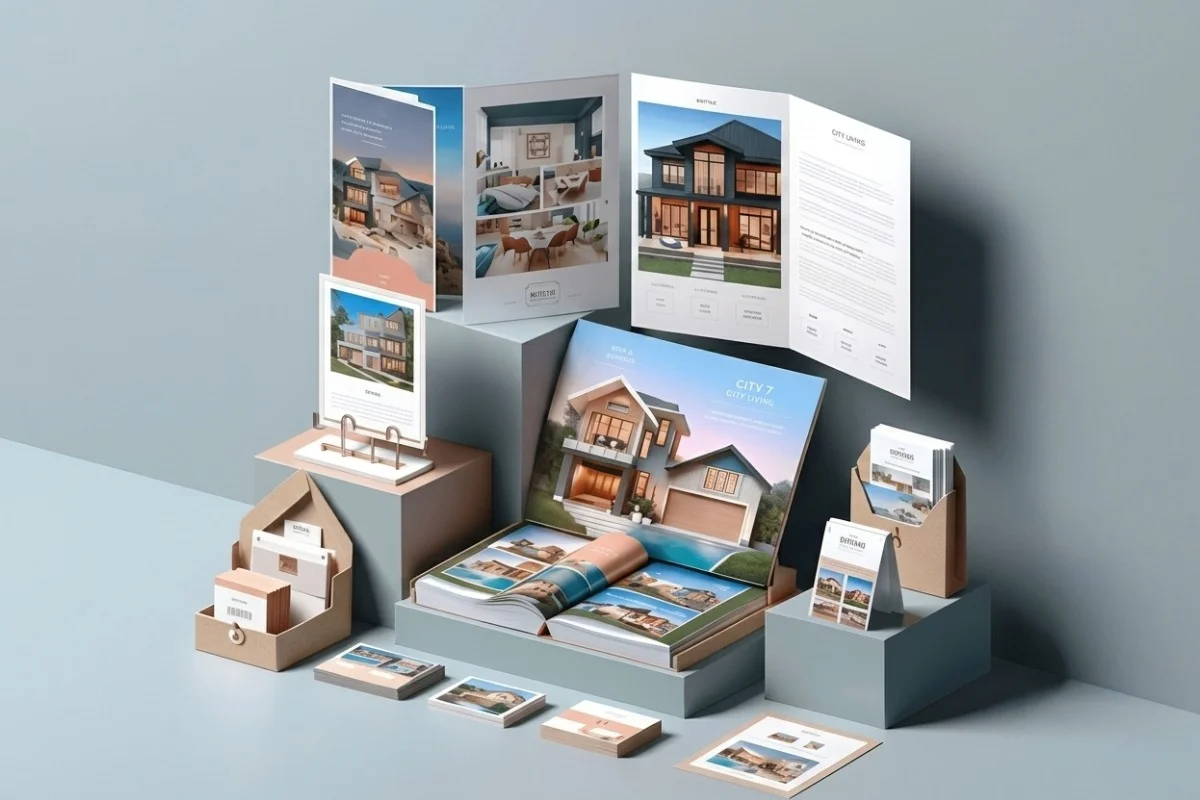
In a world where most marketing budgets flow toward ads, email, and social media, it’s easy to assume print is fading out. But talk to any small business owner who’s handed a well-designed brochure to a potential client, and you’ll hear a different story. For businesses researching brochure printing Seattle companies still rely on, the demand isn’t nostalgia — it’s results.Print marketing has survived the digital shift for a simple reason: it does things digital can’t. It’s tangible, it’s harder to ignore, and it builds trust in a way a scrolling ad never quite manages.
The most effective marketing strategies rarely pick one over the other — they use print and digital together, each playing to its strengths.
Table of Contents
ToggleThe Digital Fatigue Problem
The average person sees thousands of digital ads a week, most of which are scrolled past without a second glance. Ad blockers, spam filters, and shrinking attention spans have made digital marketing increasingly noisy and increasingly easy to tune out.Print doesn’t face that same competition for attention. A brochure on a countertop or a flyer handed at an event exists in a much quieter space — one where it’s more likely to actually get looked at.Why Flyers Still Get Results
They Work for Local, Time-Sensitive Promotions
Flyers remain one of the fastest ways to spread the word about a local event, sale, or grand opening. They can be produced quickly, distributed directly in the neighborhoods or venues where your audience already is, and don’t require anyone to click a link or open an app.They’re Effective in High-Foot-Traffic Locations
Coffee shops, community boards, farmers markets, and local events all offer flyer placement opportunities that put your business directly in front of people already engaged with their community — a form of built-in targeting digital ads have to work much harder to replicate.They Complement Digital Campaigns
Many businesses use flyers alongside a QR code linking to a website, social page, or online offer. This bridges the physical and digital experience, letting print drive traffic to digital conversion points.Why Brochures Still Matter
They Give Customers Something to Hold Onto
Unlike a webpage that disappears the moment a browser tab closes, a brochure sits on a desk, in a bag, or on a kitchen counter — often getting a second and third look days after it was first picked up.They’re Ideal for Detailed Information
Services with multiple offerings, pricing tiers, or step-by-step processes are often easier to explain in a well-organized brochure than in a quick social post. A tri-fold or bi-fold layout lets you walk a potential customer through your full value proposition in a format they control, at their own pace.They Signal Professionalism and Credibility
A polished, well-designed brochure communicates that a business has invested in how it presents itself. For industries like real estate, healthcare, home services, and professional consulting, that perception of credibility often matters as much as the information inside.Why Business Cards Haven’t Disappeared
They’re Still the Fastest Way to Exchange Contact Information
Despite digital contact-sharing apps, business cards remain a networking staple because they require no app, no signal, and no awkward phone-out moment mid-conversation.They Leave a Physical Reminder
A business card tucked into a wallet or pinned to a corkboard keeps a business top of mind long after a conversation ends — something a saved contact buried in a phone rarely accomplishes with the same visibility.They Reflect Brand Identity in a Tactile Way
Card stock weight, finish, and design all communicate something about a brand before a single word is read. A thin, flimsy card sends a different message than a substantial, well-printed one — and that first impression can shape how a potential client perceives the business behind it.Print vs. Digital: Where Each One Wins
| Marketing Goal | Better Fit |
|---|---|
| Local, time-sensitive promotion | Flyers |
| Explaining detailed services or pricing | Brochures |
| Quick contact exchange at events | Business cards |
| Broad reach across a wide geographic area | Digital ads |
| Real-time engagement and retargeting | Digital/social media |
| Building tangible brand trust | Print materials |
What Makes Print Marketing Actually Work
Design and print quality make the difference between materials that get noticed and materials that get tossed. A few factors that consistently separate effective print marketing from forgettable print marketing:- Clear, uncluttered design that guides the eye to the key message first
- High-quality paper stock that feels substantial rather than disposable
- Consistent branding that matches a business’s website and social presence
- A clear next step, whether that’s a phone number, QR code, or website
- Professional printing services that ensure sharp colors and clean finishing
Bringing It All Together
Flyers, brochures, and business cards aren’t relics of pre-digital marketing — they’re tools that still do specific jobs better than digital alternatives, especially when it comes to building local trust and leaving a lasting impression.If you’re planning your next batch of print marketing materials, Seattle Design & Print can help with design and brochure printing in Seattle that reflects your brand and gets results. Reach out to talk through what print materials make the most sense for your business.Frequently Asked Questions
1. Is print marketing still effective in 2026?
Yes. Print marketing remains effective because it faces far less competition for attention than digital ads, and physical materials like brochures and business cards tend to be kept and referenced longer than a digital ad is viewed.
2. What's the difference between a flyer and a brochure?
A flyer is typically a single printed page used for quick, time-sensitive promotions, while a brochure is a folded, multi-panel piece designed to explain services, pricing, or a business in greater detail.
3. Do business cards still matter if I have a website?
Yes. Business cards serve a different purpose than a website — they provide an instant, tangible way to exchange contact information in person, without relying on an app, signal, or shared device.
4. How can I combine print and digital marketing effectively?
Adding a QR code, custom URL, or social media handle to flyers and brochures connects print materials directly to digital platforms, letting print drive traffic to a website or online offer.
5. What paper stock is best for brochures?
Glossy or matte coated stock between 100lb and 130lb is common for brochures, offering a professional feel without becoming too rigid to fold cleanly.
